
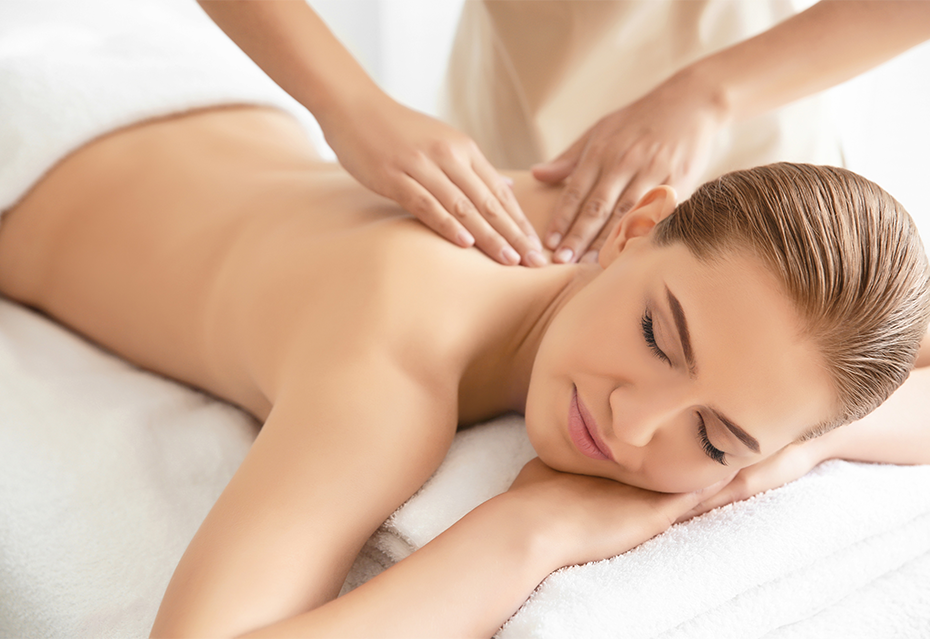
Swedish Massage: Relaxation-Focused
Swedish massage is the technique most people picture when they think of a classic spa massage. It uses long, flowing strokes, kneading, and light-to-medium pressure to improve circulation, ease surface-level tension, and help your whole nervous system shift into a more relaxed state. It’s an excellent choice if your goal is stress relief, better sleep, or simply carving out an hour where your body gets to fully unwind.Deep Tissue Massage: Targeted Relief
Deep tissue massage works with firmer, more concentrated pressure aimed at the deeper layers of muscle and connective tissue. It’s built for people dealing with chronic tension, a specific problem area, or muscle tightness from repetitive movement, whether that’s from a desk job, athletic training, or an old injury that never fully resolved. The pressure is more intense than Swedish massage, and it can leave you a little sore the next day — similar to how you’d feel after a good workout — but it addresses issues that a lighter touch simply can’t reach.How to Decide Between the Two
A good rule of thumb: if you’re looking to de-stress and feel pampered, Swedish massage is likely the better fit. If you’re dealing with a specific ache, chronic tightness, or tension that keeps coming back no matter how much you stretch, deep tissue is probably what your body actually needs. If you’re not sure, that’s completely normal — our massage therapists talk through your goals and any problem areas before your session starts, so you’re never guessing which treatment to book.You Don’t Have to Choose Just One
Many of our regular clients actually rotate between the two depending on the season, their stress levels, or what their body is asking for that month. No rule says you have to pick a lane and stick with it.Book Your Massage at SoCa Day Spa
Interested in learning more? Our North Charleston spa team is ready to help you find the right technique and pressure for your body. Book your appointment today.Add Your Heading Text Here
No. Deep tissue massage uses slower, firmer pressure to address deeper muscle tension, but it should not feel unbearable. Some areas may feel intense or tender, especially where you carry persistent tightness, but you should always tell your massage therapist if the pressure is too much.
You may feel some temporary tenderness or soreness after a deep tissue session, particularly if your therapist spent time on areas with significant tension. This often settles within a day or two. Drinking water, gentle movement, and giving yourself time to recover can help; your therapist can also recommend appropriate aftercare based on your session.
Yes. Massage does not have to be all Swedish or all deep tissue. Many guests prefer a calming, full-body Swedish-style approach with more focused pressure in specific areas, such as the shoulders, neck, back, or legs. Let your therapist know what feels tight, what you enjoy, and how much pressure feels comfortable so the session can be adjusted accordingly.
Talk with a healthcare provider first if you take blood-thinning medication; have a blood-clotting disorder, osteoporosis, a recent injury or surgery, a history of blood clots, fragile skin, tumors, or an implanted medical device; or have another condition that could make firm pressure unsuitable.
